
Israel

Embark on a Timeless Odyssey: Israel's Ancient Landscapes and Modern Wonders

Israel, a land of profound historical and spiritual significance, sits at the crossroads of Asia, Africa, and Europe. This small yet impactful country is a mosaic of ancient biblical history and dynamic modern culture. Its story begins over three millennia ago, evolving through periods of Hebrew kings, Roman rule, Ottoman influence, and ultimately, the establishment of a modern state in 1948, nestled on the eastern shores of the Mediterranean Sea.

Ancient Chronicles and Contemporary Vibrancy

The chronicles of Israel are alive within its bustling cities, solemn memorials, and ancient walls. It's a nation that has witnessed the comings and goings of empires, each leaving behind a rich tapestry of archaeological and cultural wealth.

Jerusalem: A City of Heritage

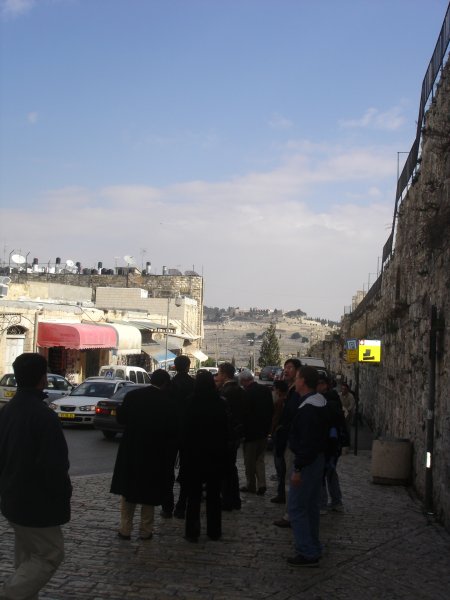
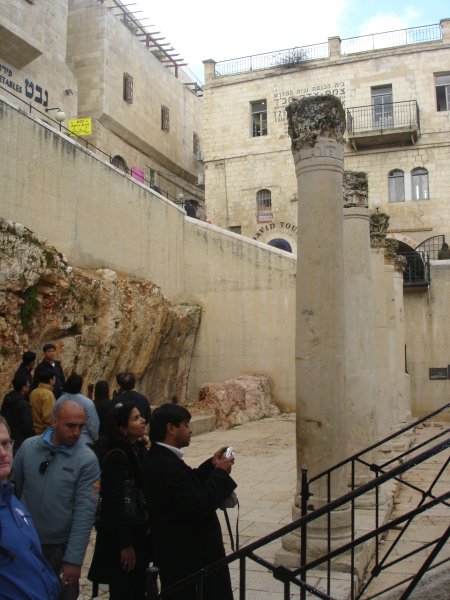
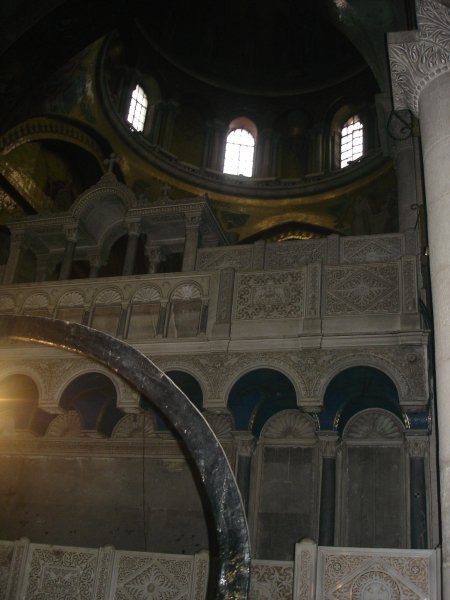
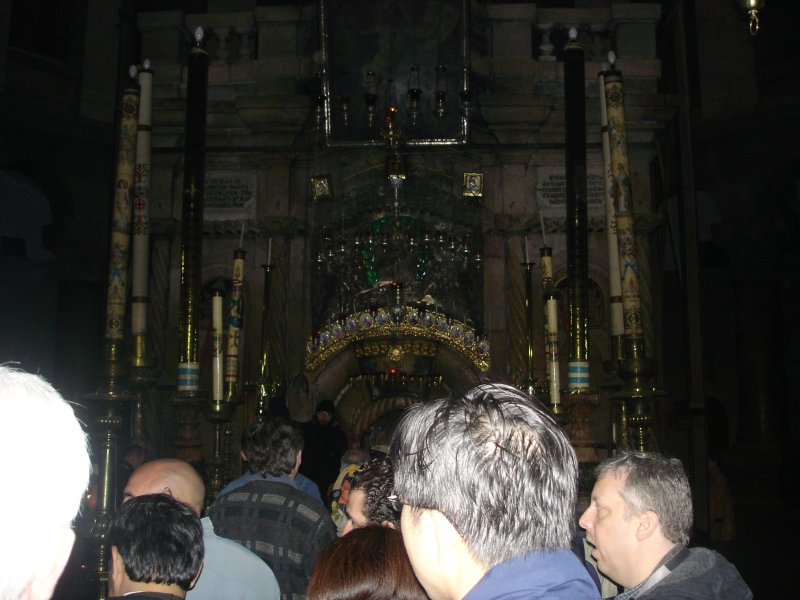
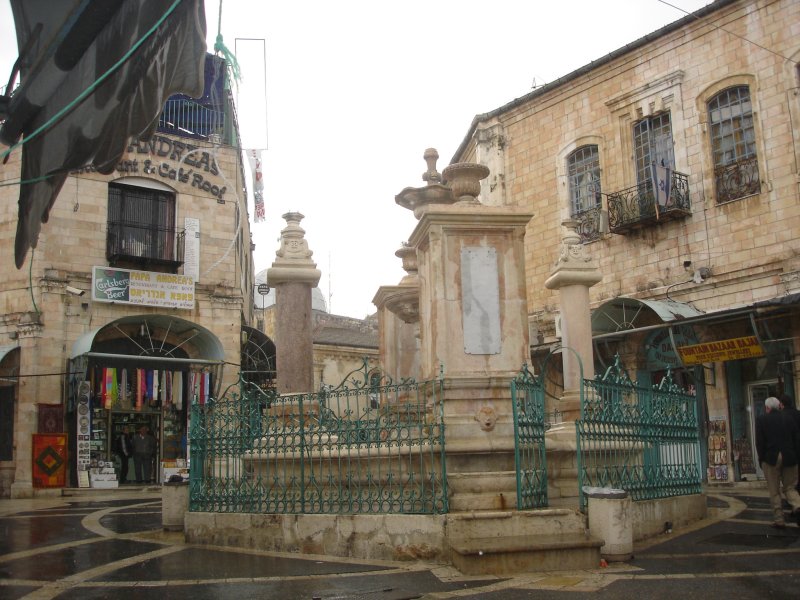
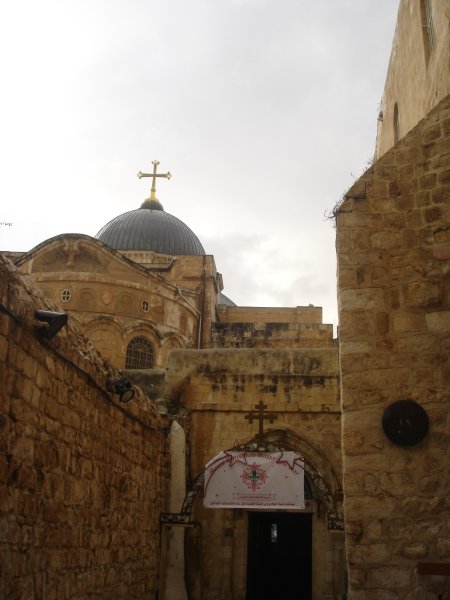
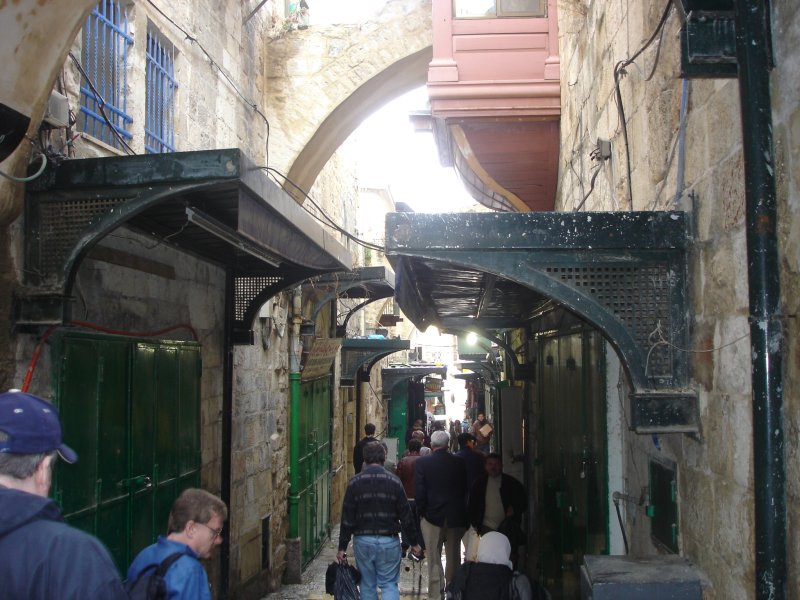
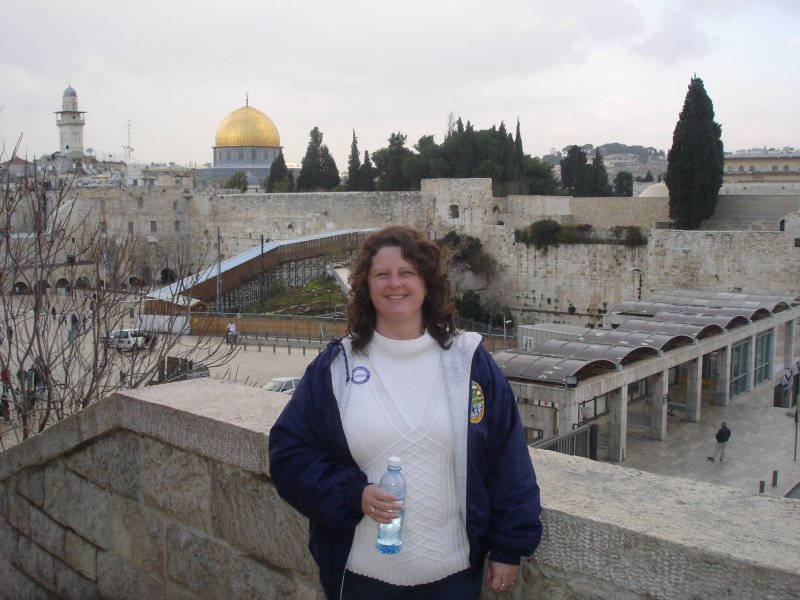
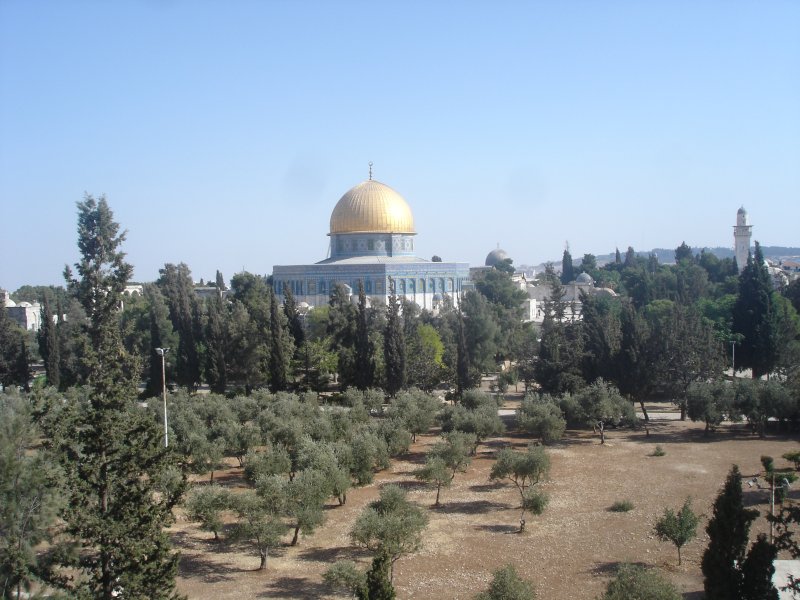
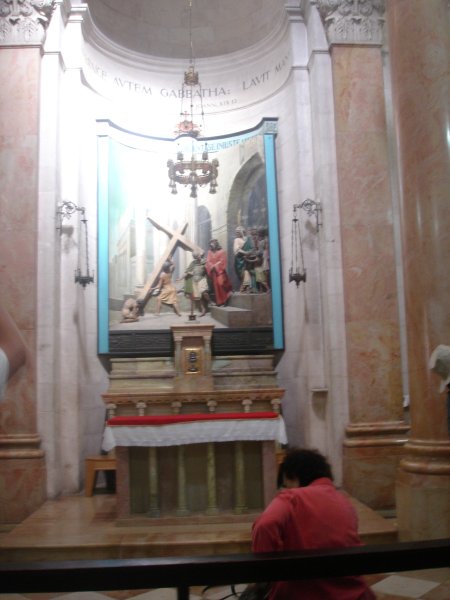
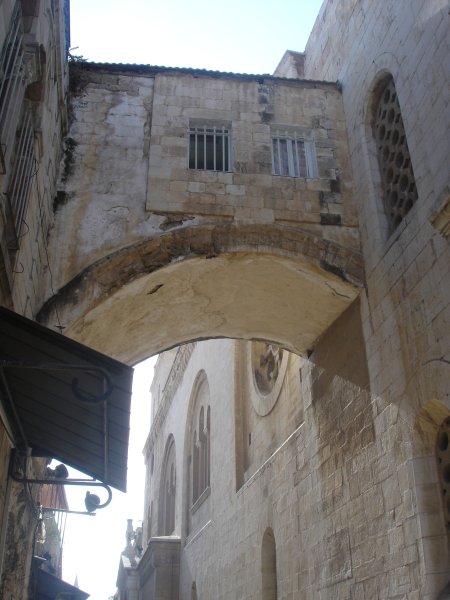
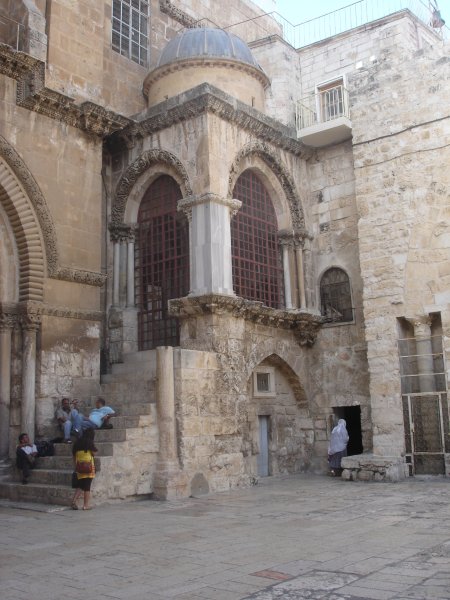
Jerusalem stands as a timeless emblem of the country's tapestry, revered by Jews, Christians, and Muslims alike. The Western Wall, the Church of the Holy Sepulchre, and the Dome of the Rock are just a few landmarks among the city's labyrinthine alleys that tell stories of faith and history.

Tel Aviv: The Pulse of Modernity

Contrasting with the ancient is Tel Aviv, a hub of innovation, nightlife, and the Bauhaus architecture of the White City. It's a place where contemporary art, culinary excellence, and beach culture thrive.

The Dead Sea: A Natural Wonder

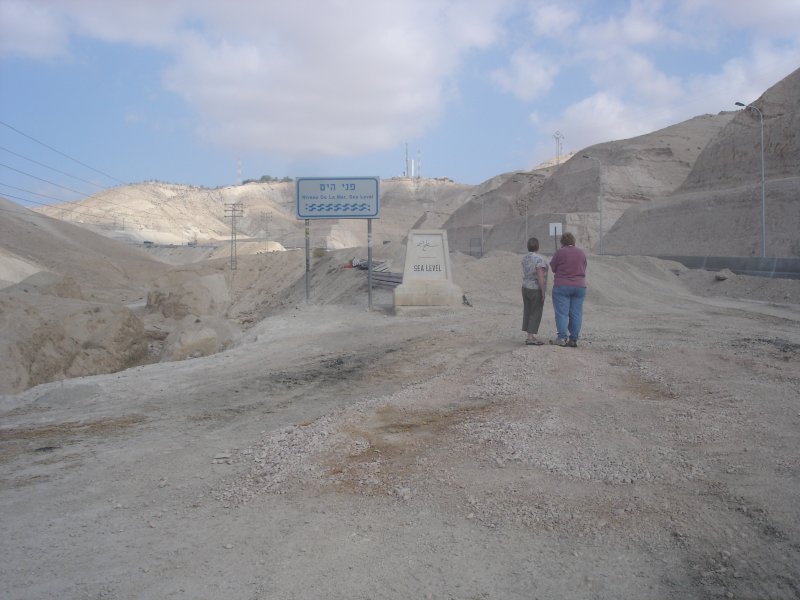
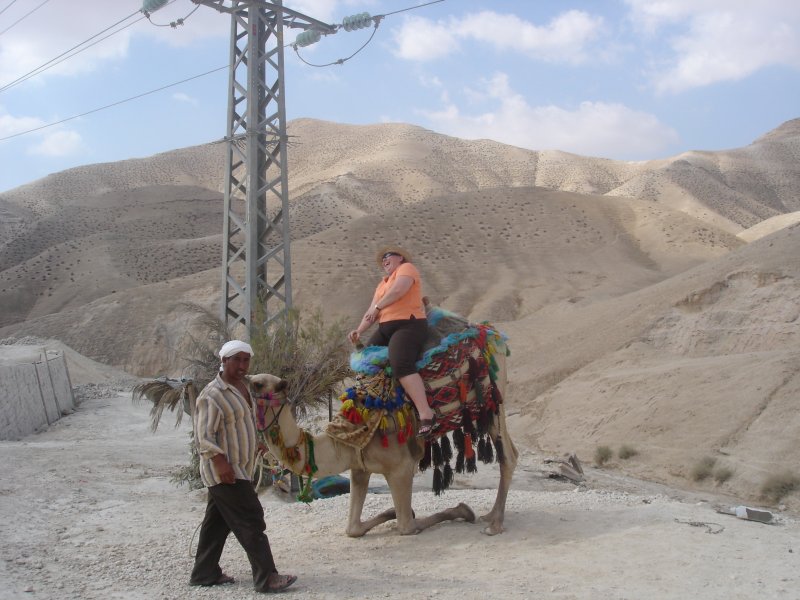
Beyond city life, the Dead Sea offers a serene escape, famous for its buoyant waters and mineral-rich mud. The Masada fortress nearby stands as a symbol of resilience, overlooking this tranquil expanse.

Galilee: A Green Haven

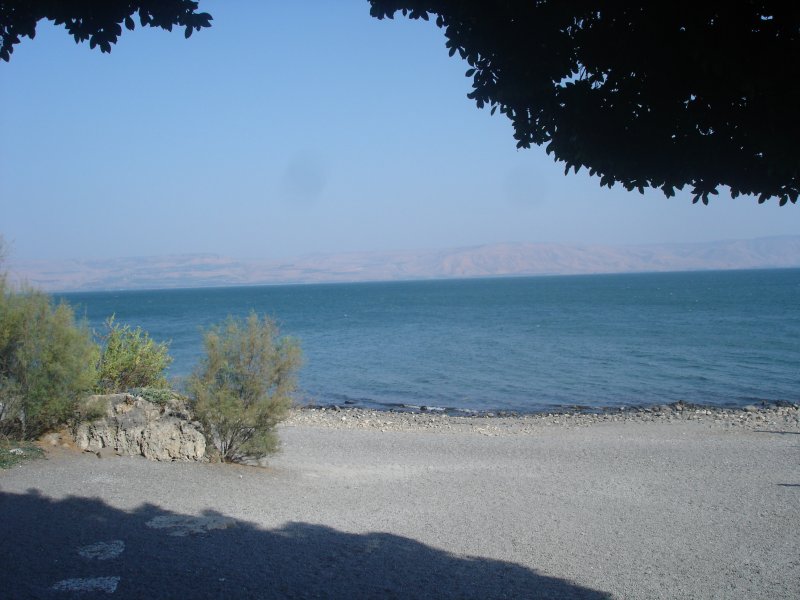
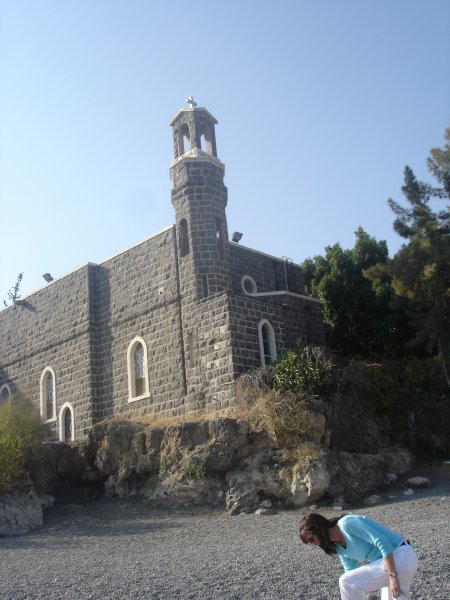
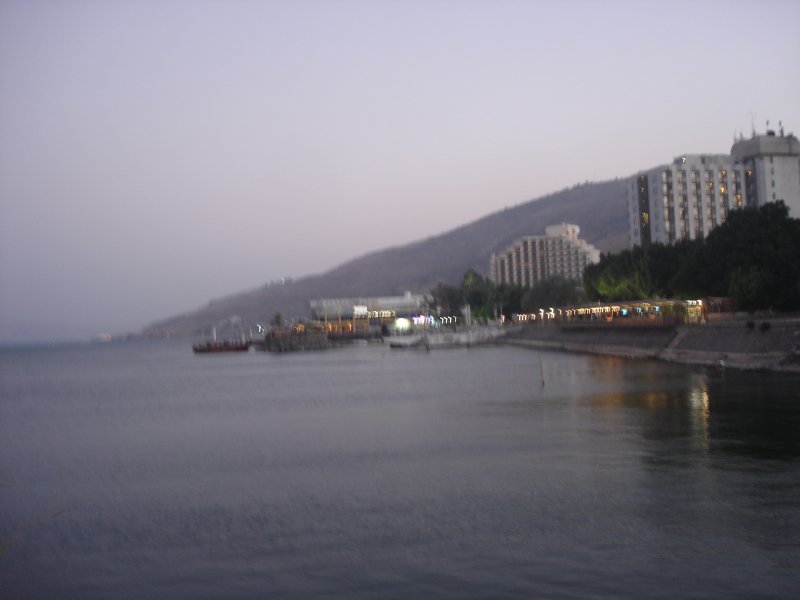
The verdant region of Galilee is steeped in natural beauty and biblical heritage, inviting exploration of its hills, historical sites, and the Sea of Galilee itself, a focal point of Christian history.

From the Red Sea resort town of Eilat to the mystical city of Safed, Israel is a country that invites wonder and reflection. Travel through its deserts, delve into its cities, and discover its sacred spaces with travel.frogsfolly.com as your guide. Join us on a journey to Israel, where every stone has a story, and every sunrise holds the promise of a new discovery.

Recent Uploads tagged israel

			<p><a href="https://www.flickr.com/people/124446949@N06/">HISTORICAL RAILWAY IMAGES</a> posted a photo:</p>
	
<p><a href="https://www.flickr.com/photos/124446949@N06/55022893986/" title="Palestine Military Railways - Jerusalem train station in World War I"><img src="https://live.staticflickr.com/65535/55022893986_f975fe8a9f_m.jpg" width="240" height="156" alt="Palestine Military Railways - Jerusalem train station in World War I" /></a></p>

<p>Jerusalem train station in the First World War, showing the station area and a British military train parked opposite the station building. Photo taken after the British takeover of Palestine and the defeat of the Ottoman Empire<br />
<br />
תחנת הרכבת בירושלים לאחר מפלת הצבא הטורקי במלחמת העולם הראשונה וכניסת הבריטים לארץ ישראל. רכבת צבאית בריטית חונה בסמוך לבניין התחנה וחיילים בריטים מביטים אל הצלם. מוסך הקטרים הקטן נראה במרחק ומאחוריו, טחנת הקמח של משה מונטפיורי</p>
			<p><a href="https://www.flickr.com/people/186152282@N05/">hans-jürgen14</a> posted a photo:</p>
	
<p><a href="https://www.flickr.com/photos/186152282@N05/55022923649/" title="Jordanien - Golf von Aqaba - Boote"><img src="https://live.staticflickr.com/65535/55022923649_4477ed2790_m.jpg" width="240" height="190" alt="Jordanien - Golf von Aqaba - Boote" /></a></p>

<p>auch: Golf von Eilat, Mifraz Eilat<br />
190 Kilometer lange langgestreckte Bucht und natürliche Wasserstraße, die am Nordrand des Roten Meeres beginnt und den Sinai von der Arabischen Halbinsel trennt. <br />
An diesem Küstenabschnitt haben vier Länder teil: neben Jordanien auch Israel, Ägypten und Saudi-Arabien.</p>
			<p><a href="https://www.flickr.com/people/186152282@N05/">hans-jürgen14</a> posted a photo:</p>
	
<p><a href="https://www.flickr.com/photos/186152282@N05/55022851228/" title="Jordanien - Golf von Aqaba - Boote"><img src="https://live.staticflickr.com/65535/55022851228_2c36d49362_m.jpg" width="240" height="184" alt="Jordanien - Golf von Aqaba - Boote" /></a></p>

<p>auch: Golf von Eilat, Mifraz Eilat<br />
190 Kilometer lange langgestreckte Bucht und natürliche Wasserstraße, die am Nordrand des Roten Meeres beginnt und den Sinai von der Arabischen Halbinsel trennt. <br />
An diesem Küstenabschnitt haben vier Länder teil: neben Jordanien auch Israel, Ägypten und Saudi-Arabien.</p>
			<p><a href="https://www.flickr.com/people/shalva1948/">Shalva1948</a> posted a photo:</p>
	
<p><a href="https://www.flickr.com/photos/shalva1948/55021547767/" title="Horbat Nekhes"><img src="https://live.staticflickr.com/65535/55021547767_02d5a30dcf_m.jpg" width="240" height="180" alt="Horbat Nekhes" /></a></p>

<p>On the western outskirts of the city of Modi'in, hidden there is the ruins of Horbat Nekhes, which contains the remains of an ancient village. <br />
On the hills there is a wide variety of wild plants and orchards.<br />
The hills of Horbat Nekhes are rich in remains of human life and activity in the place from various periods. From prehistoric times to the present day. Remains of buildings (most of them from a later period), roads, flint tools, a hewn water reservoir, cisterns, stone cups, burial caves, agricultural installations (winepresses), and agricultural steps (terraces), quarries, and more can be found here.<br />
The path that crosses the center of Horbat Nekhes is part of the &quot;Israel Trail.&quot; The finds found here represent the following periods: the Iron Age (Israelite period), the Roman period, the Byzantine period, the Mamluk period, and more.<br />
One of the plants that appears in many cultures found here is the pomegranate tree. Around the ruin and in the wadi - abandoned orchards with olive, almond, and carob trees.</p>
			<p><a href="https://www.flickr.com/people/shalva1948/">Shalva1948</a> posted a photo:</p>
	
<p><a href="https://www.flickr.com/photos/shalva1948/55021547787/" title="Horbat Nekhes"><img src="https://live.staticflickr.com/65535/55021547787_799ebe32f2_m.jpg" width="240" height="180" alt="Horbat Nekhes" /></a></p>

<p>On the western outskirts of the city of Modi'in, hidden there is the ruins of Horbat Nekhes, which contains the remains of an ancient village. <br />
On the hills there is a wide variety of wild plants and orchards.<br />
The hills of Horbat Nekhes are rich in remains of human life and activity in the place from various periods. From prehistoric times to the present day. Remains of buildings (most of them from a later period), roads, flint tools, a hewn water reservoir, cisterns, stone cups, burial caves, agricultural installations (winepresses), and agricultural steps (terraces), quarries, and more can be found here.<br />
The path that crosses the center of Horbat Nekhes is part of the &quot;Israel Trail.&quot; The finds found here represent the following periods: the Iron Age (Israelite period), the Roman period, the Byzantine period, the Mamluk period, and more.<br />
One of the plants that appears in many cultures found here is the pomegranate tree. Around the ruin and in the wadi - abandoned orchards with olive, almond, and carob trees.</p>
			<p><a href="https://www.flickr.com/people/shalva1948/">Shalva1948</a> posted a photo:</p>
	
<p><a href="https://www.flickr.com/photos/shalva1948/55022430646/" title="Horbat Nekhes"><img src="https://live.staticflickr.com/65535/55022430646_f860982607_m.jpg" width="240" height="180" alt="Horbat Nekhes" /></a></p>

<p>On the western outskirts of the city of Modi'in, hidden there is the ruins of Horbat Nekhes, which contains the remains of an ancient village. <br />
On the hills there is a wide variety of wild plants and orchards.<br />
The hills of Horbat Nekhes are rich in remains of human life and activity in the place from various periods. From prehistoric times to the present day. Remains of buildings (most of them from a later period), roads, flint tools, a hewn water reservoir, cisterns, stone cups, burial caves, agricultural installations (winepresses), and agricultural steps (terraces), quarries, and more can be found here.<br />
The path that crosses the center of Horbat Nekhes is part of the &quot;Israel Trail.&quot; The finds found here represent the following periods: the Iron Age (Israelite period), the Roman period, the Byzantine period, the Mamluk period, and more.<br />
One of the plants that appears in many cultures found here is the pomegranate tree. Around the ruin and in the wadi - abandoned orchards with olive, almond, and carob trees.</p>
			<p><a href="https://www.flickr.com/people/shalva1948/">Shalva1948</a> posted a photo:</p>
	
<p><a href="https://www.flickr.com/photos/shalva1948/55021547752/" title="Horbat Nekhes"><img src="https://live.staticflickr.com/65535/55021547752_f61bfb747d_m.jpg" width="240" height="180" alt="Horbat Nekhes" /></a></p>

<p>On the western outskirts of the city of Modi'in, hidden there is the ruins of Horbat Nekhes, which contains the remains of an ancient village. <br />
On the hills there is a wide variety of wild plants and orchards.<br />
The hills of Horbat Nekhes are rich in remains of human life and activity in the place from various periods. From prehistoric times to the present day. Remains of buildings (most of them from a later period), roads, flint tools, a hewn water reservoir, cisterns, stone cups, burial caves, agricultural installations (winepresses), and agricultural steps (terraces), quarries, and more can be found here.<br />
The path that crosses the center of Horbat Nekhes is part of the &quot;Israel Trail.&quot; The finds found here represent the following periods: the Iron Age (Israelite period), the Roman period, the Byzantine period, the Mamluk period, and more.<br />
One of the plants that appears in many cultures found here is the pomegranate tree. Around the ruin and in the wadi - abandoned orchards with olive, almond, and carob trees.</p>
			<p><a href="https://www.flickr.com/people/ninaroberts/">Nina Roberts</a> posted a photo:</p>
	
<p><a href="https://www.flickr.com/photos/ninaroberts/55022131754/" title="Washington Square Park Protest DSC_6395"><img src="https://live.staticflickr.com/65535/55022131754_1728266ae8_m.jpg" width="160" height="240" alt="Washington Square Park Protest DSC_6395" /></a></p>


			<p><a href="https://www.flickr.com/people/ninaroberts/">Nina Roberts</a> posted a photo:</p>
	
<p><a href="https://www.flickr.com/photos/ninaroberts/55022007598/" title="Times Square Protest DSC_6173"><img src="https://live.staticflickr.com/65535/55022007598_16173c97d4_m.jpg" width="160" height="240" alt="Times Square Protest DSC_6173" /></a></p>


			<p><a href="https://www.flickr.com/people/168613803@N02/">sagi22</a> posted a photo:</p>
	
<p><a href="https://www.flickr.com/photos/168613803@N02/55019899997/" title="The Tel-Aviv Hilton™"><img src="https://live.staticflickr.com/65535/55019899997_c0c80b1ac7_m.jpg" width="240" height="160" alt="The Tel-Aviv Hilton™" /></a></p>


			<p><a href="https://www.flickr.com/people/shalva1948/">Shalva1948</a> posted a photo:</p>
	
<p><a href="https://www.flickr.com/photos/shalva1948/55020847064/" title="Horbat Nekhes"><img src="https://live.staticflickr.com/65535/55020847064_51fd1388e2_m.jpg" width="240" height="180" alt="Horbat Nekhes" /></a></p>

<p>On the western outskirts of the city of Modi'in, hidden there is the ruins of Horbat Nekhes, which contains the remains of an ancient village. <br />
On the hills there is a wide variety of wild plants and orchards.<br />
The hills of Horbat Nekhes are rich in remains of human life and activity in the place from various periods. From prehistoric times to the present day. Remains of buildings (most of them from a later period), roads, flint tools, a hewn water reservoir, cisterns, stone cups, burial caves, agricultural installations (winepresses), and agricultural steps (terraces), quarries, and more can be found here.<br />
The path that crosses the center of Horbat Nekhes is part of the &quot;Israel Trail.&quot; The finds found here represent the following periods: the Iron Age (Israelite period), the Roman period, the Byzantine period, the Mamluk period, and more.<br />
One of the plants that appears in many cultures found here is the pomegranate tree. Around the ruin and in the wadi - abandoned orchards with olive, almond, and carob trees.</p>
			<p><a href="https://www.flickr.com/people/shalva1948/">Shalva1948</a> posted a photo:</p>
	
<p><a href="https://www.flickr.com/photos/shalva1948/55019703852/" title="Horbat Nekhes"><img src="https://live.staticflickr.com/65535/55019703852_f70f8960c1_m.jpg" width="240" height="180" alt="Horbat Nekhes" /></a></p>

<p>On the western outskirts of the city of Modi'in, hidden there is the ruins of Horbat Nekhes, which contains the remains of an ancient village. <br />
On the hills there is a wide variety of wild plants and orchards.<br />
The hills of Horbat Nekhes are rich in remains of human life and activity in the place from various periods. From prehistoric times to the present day. Remains of buildings (most of them from a later period), roads, flint tools, a hewn water reservoir, cisterns, stone cups, burial caves, agricultural installations (winepresses), and agricultural steps (terraces), quarries, and more can be found here.<br />
The path that crosses the center of Horbat Nekhes is part of the &quot;Israel Trail.&quot; The finds found here represent the following periods: the Iron Age (Israelite period), the Roman period, the Byzantine period, the Mamluk period, and more.<br />
One of the plants that appears in many cultures found here is the pomegranate tree. Around the ruin and in the wadi - abandoned orchards with olive, almond, and carob trees.</p>
			<p><a href="https://www.flickr.com/people/shalva1948/">Shalva1948</a> posted a photo:</p>
	
<p><a href="https://www.flickr.com/photos/shalva1948/55020586796/" title="Horbat Nekhes"><img src="https://live.staticflickr.com/65535/55020586796_d8d65f9b95_m.jpg" width="240" height="180" alt="Horbat Nekhes" /></a></p>

<p>On the western outskirts of the city of Modi'in, hidden there is the ruins of Horbat Nekhes, which contains the remains of an ancient village. <br />
On the hills there is a wide variety of wild plants and orchards.<br />
The hills of Horbat Nekhes are rich in remains of human life and activity in the place from various periods. From prehistoric times to the present day. Remains of buildings (most of them from a later period), roads, flint tools, a hewn water reservoir, cisterns, stone cups, burial caves, agricultural installations (winepresses), and agricultural steps (terraces), quarries, and more can be found here.<br />
The path that crosses the center of Horbat Nekhes is part of the &quot;Israel Trail.&quot; The finds found here represent the following periods: the Iron Age (Israelite period), the Roman period, the Byzantine period, the Mamluk period, and more.<br />
One of the plants that appears in many cultures found here is the pomegranate tree. Around the ruin and in the wadi - abandoned orchards with olive, almond, and carob trees.</p>
			<p><a href="https://www.flickr.com/people/shalva1948/">Shalva1948</a> posted a photo:</p>
	
<p><a href="https://www.flickr.com/photos/shalva1948/55020586666/" title="Horbat Nekhes"><img src="https://live.staticflickr.com/65535/55020586666_69e4754c50_m.jpg" width="240" height="180" alt="Horbat Nekhes" /></a></p>

<p>On the western outskirts of the city of Modi'in, hidden there is the ruins of Horbat Nekhes, which contains the remains of an ancient village. <br />
On the hills there is a wide variety of wild plants and orchards.<br />
The hills of Horbat Nekhes are rich in remains of human life and activity in the place from various periods. From prehistoric times to the present day. Remains of buildings (most of them from a later period), roads, flint tools, a hewn water reservoir, cisterns, stone cups, burial caves, agricultural installations (winepresses), and agricultural steps (terraces), quarries, and more can be found here.<br />
The path that crosses the center of Horbat Nekhes is part of the &quot;Israel Trail.&quot; The finds found here represent the following periods: the Iron Age (Israelite period), the Roman period, the Byzantine period, the Mamluk period, and more.<br />
One of the plants that appears in many cultures found here is the pomegranate tree. Around the ruin and in the wadi - abandoned orchards with olive, almond, and carob trees.</p>
			<p><a href="https://www.flickr.com/people/shalva1948/">Shalva1948</a> posted a photo:</p>
	
<p><a href="https://www.flickr.com/photos/shalva1948/55018994973/" title="Horbat Nekhes"><img src="https://live.staticflickr.com/65535/55018994973_599c7a3a19_m.jpg" width="240" height="180" alt="Horbat Nekhes" /></a></p>

<p>On the western outskirts of the city of Modi'in, hidden there is the ruins of Horbat Nekhes, which contains the remains of an ancient village. <br />
On the hills there is a wide variety of wild plants and orchards.<br />
The hills of Horbat Nekhes are rich in remains of human life and activity in the place from various periods. From prehistoric times to the present day. Remains of buildings (most of them from a later period), roads, flint tools, a hewn water reservoir, cisterns, stone cups, burial caves, agricultural installations (winepresses), and agricultural steps (terraces), quarries, and more can be found here.<br />
The path that crosses the center of Horbat Nekhes is part of the &quot;Israel Trail.&quot; The finds found here represent the following periods: the Iron Age (Israelite period), the Roman period, the Byzantine period, the Mamluk period, and more.<br />
One of the plants that appears in many cultures found here is the pomegranate tree. Around the ruin and in the wadi - abandoned orchards with olive, almond, and carob trees.</p>
			<p><a href="https://www.flickr.com/people/shalva1948/">Shalva1948</a> posted a photo:</p>
	
<p><a href="https://www.flickr.com/photos/shalva1948/55017935257/" title="Horbat Nekhes"><img src="https://live.staticflickr.com/65535/55017935257_76f0945933_m.jpg" width="240" height="180" alt="Horbat Nekhes" /></a></p>

<p>On the western outskirts of the city of Modi'in, hidden there is the ruins of Horbat Nekhes, which contains the remains of an ancient village. <br />
On the hills there is a wide variety of wild plants and orchards.<br />
The hills of Horbat Nekhes are rich in remains of human life and activity in the place from various periods. From prehistoric times to the present day. Remains of buildings (most of them from a later period), roads, flint tools, a hewn water reservoir, cisterns, stone cups, burial caves, agricultural installations (winepresses), and agricultural steps (terraces), quarries, and more can be found here.<br />
The path that crosses the center of Horbat Nekhes is part of the &quot;Israel Trail.&quot; The finds found here represent the following periods: the Iron Age (Israelite period), the Roman period, the Byzantine period, the Mamluk period, and more.<br />
One of the plants that appears in many cultures found here is the pomegranate tree. Around the ruin and in the wadi - abandoned orchards with olive, almond, and carob trees.</p>
			<p><a href="https://www.flickr.com/people/shalva1948/">Shalva1948</a> posted a photo:</p>
	
<p><a href="https://www.flickr.com/photos/shalva1948/55018812156/" title="Horbat Nekhes"><img src="https://live.staticflickr.com/65535/55018812156_6df810ee47_m.jpg" width="240" height="180" alt="Horbat Nekhes" /></a></p>

<p>On the western outskirts of the city of Modi'in, hidden there is the ruins of Horbat Nekhes, which contains the remains of an ancient village. <br />
On the hills there is a wide variety of wild plants and orchards.<br />
The hills of Horbat Nekhes are rich in remains of human life and activity in the place from various periods. From prehistoric times to the present day. Remains of buildings (most of them from a later period), roads, flint tools, a hewn water reservoir, cisterns, stone cups, burial caves, agricultural installations (winepresses), and agricultural steps (terraces), quarries, and more can be found here.<br />
The path that crosses the center of Horbat Nekhes is part of the &quot;Israel Trail.&quot; The finds found here represent the following periods: the Iron Age (Israelite period), the Roman period, the Byzantine period, the Mamluk period, and more.<br />
One of the plants that appears in many cultures found here is the pomegranate tree. Around the ruin and in the wadi - abandoned orchards with olive, almond, and carob trees.</p>
			<p><a href="https://www.flickr.com/people/shalva1948/">Shalva1948</a> posted a photo:</p>
	
<p><a href="https://www.flickr.com/photos/shalva1948/55018995033/" title="Horbat Nekhes"><img src="https://live.staticflickr.com/65535/55018995033_2e5f55ae6e_m.jpg" width="240" height="180" alt="Horbat Nekhes" /></a></p>

<p>On the western outskirts of the city of Modi'in, hidden there is the ruins of Horbat Nekhes, which contains the remains of an ancient village. <br />
On the hills there is a wide variety of wild plants and orchards.<br />
The hills of Horbat Nekhes are rich in remains of human life and activity in the place from various periods. From prehistoric times to the present day. Remains of buildings (most of them from a later period), roads, flint tools, a hewn water reservoir, cisterns, stone cups, burial caves, agricultural installations (winepresses), and agricultural steps (terraces), quarries, and more can be found here.<br />
The path that crosses the center of Horbat Nekhes is part of the &quot;Israel Trail.&quot; The finds found here represent the following periods: the Iron Age (Israelite period), the Roman period, the Byzantine period, the Mamluk period, and more.<br />
One of the plants that appears in many cultures found here is the pomegranate tree. Around the ruin and in the wadi - abandoned orchards with olive, almond, and carob trees.</p>
			<p><a href="https://www.flickr.com/people/paoloriccardocarrara/">PaoloRiccardoCarrara</a> posted a photo:</p>
	
<p><a href="https://www.flickr.com/photos/paoloriccardocarrara/54063563473/" title="Avdat, Israel"><img src="https://live.staticflickr.com/65535/54063563473_2477cbe1eb_m.jpg" width="240" height="139" alt="Avdat, Israel" /></a></p>


			<p><a href="https://www.flickr.com/people/61168666@N00/">Joachim Tüns</a> posted a photo:</p>
	
<p><a href="https://www.flickr.com/photos/61168666@N00/55016331047/" title="Israel, Herbst 2025"><img src="https://live.staticflickr.com/65535/55016331047_b13825937b_m.jpg" width="240" height="135" alt="Israel, Herbst 2025" /></a></p>

<p>Israel, Herbst 2025, Zionsberg</p>
Sign On